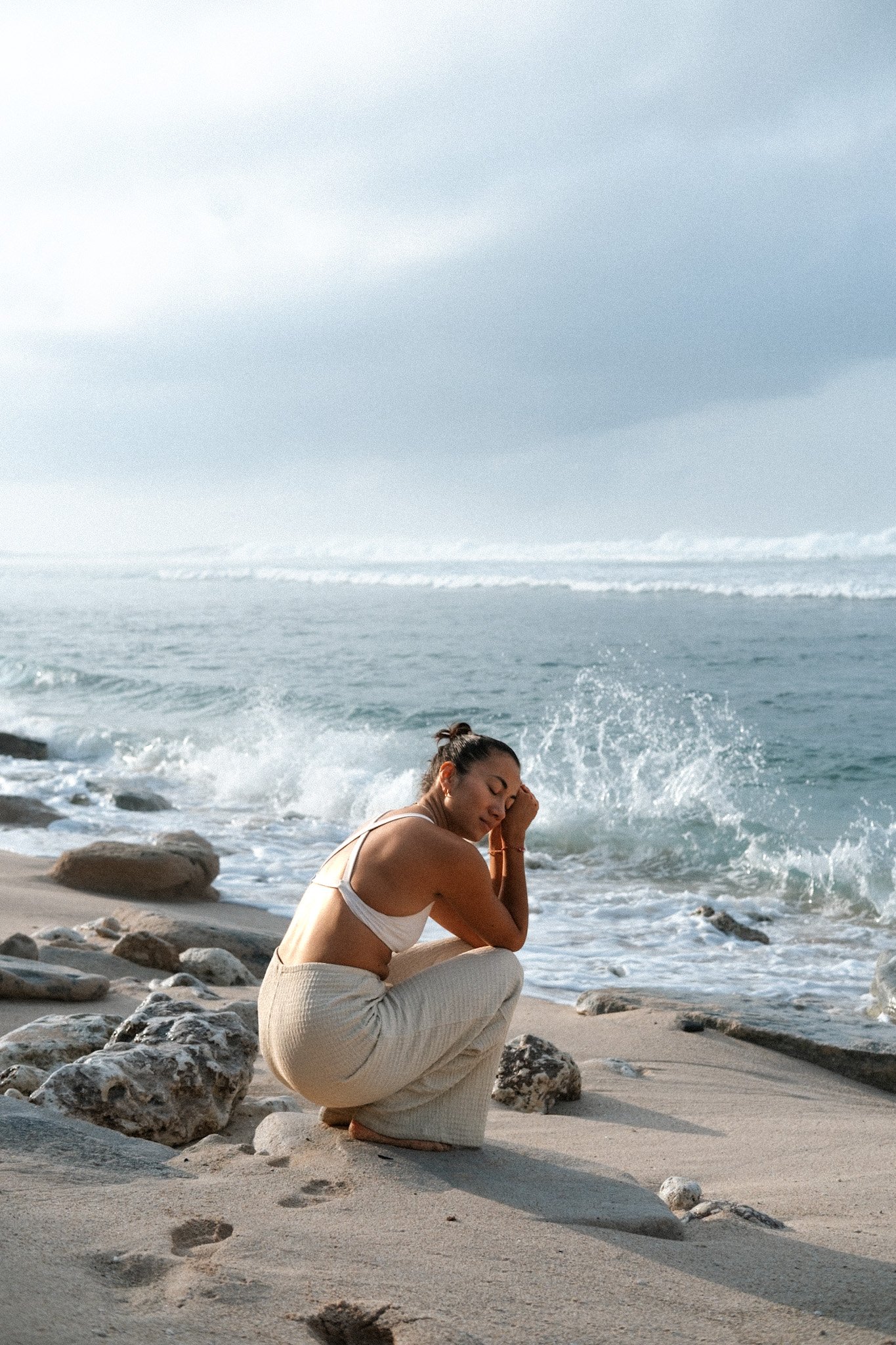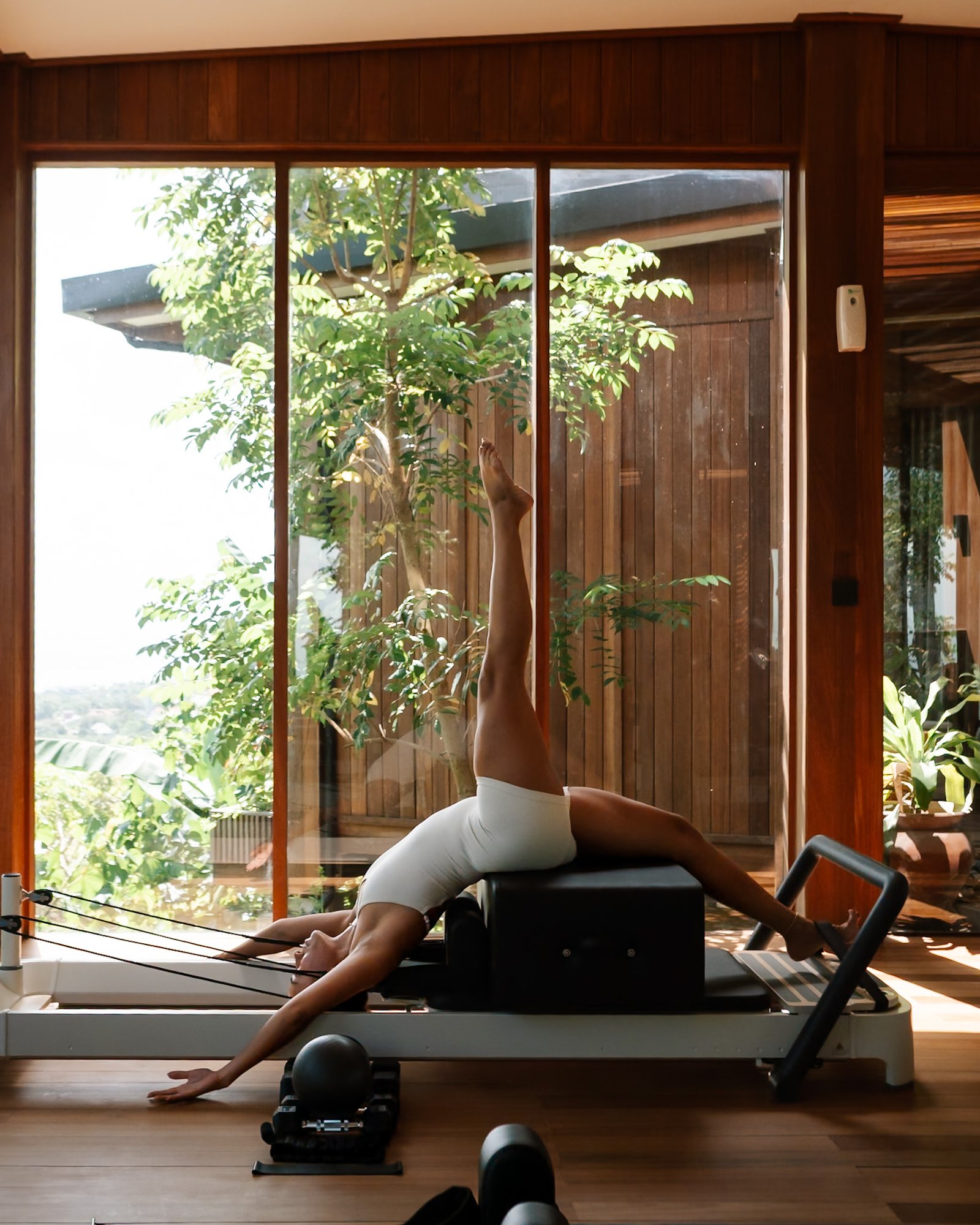
In a fast-paced world, slow has become a skill to acquire. We’re so used to rushing from one thing to the next that even on the mat, we bring that same urgency. I see it all the time in class: students rushing ahead, moving before I’ve even finished cueing, trying to guess what’s coming next rather than waiting, listening and truly landing in the shape they’re in.
But here’s the thing: Pilates isn’t just about what you do—it’s how you do it. And often, the most effective change happens when you move with less speed and more intention.
Slow is a skill. It asks for patience. It requires presence. And it builds a kind of strength that isn’t just physical—it’s internal. That’s why I want to share why slower Pilates can be more effective—not to give you rules, but to share a perspective I’ve gained from teaching full-time over the past year. I’ve seen what often gets lost in the rush: the connection to the body, the breath and the movement itself. When we move too fast, we miss the chance to move with intention, however, that’s where the real magic happens.
Why Slower Doesn’t Mean Easier
Let’s be clear: slow doesn’t mean soft.
Moving slowly in Pilates challenges your control, strength and coordination. When you slow down, you can’t rely on momentum to get you through a movement. You have to feel every phase of the exercise. You have to engage the right muscles at the right time. You have to breathe with intention.
And honestly? That’s where the real work begins.
The Power of Precision
One of the most beautiful things about slowing down is that it creates space—for awareness, for correction and for that mind-body connection.
You notice if you’re gripping your shoulders when you don’t need to. You feel whether your core is actually engaging or if you’re just “going through the motions.” Slower movement lets you fine-tune your alignment and build a stronger foundation.
That kind of precision isn’t just safer—it’s smarter. It’s how you train your body to move well in real life, not just in class.
© Photos by Sirimah
From Performance to Presence
When you move quickly, it’s easy to override your body’s signals. You might hold your breath, push through discomfort, or miss cues that something’s off.
But slow, mindful movement brings your nervous system into the conversation. It invites your breath to support your movement. It gives your mind time to catch up with your body. And it shifts the focus from performance to presence. That shift is powerful.
“
Slow is a skill—and you’re allowed to take your time learning it.
Conclusion: Slow is a Skill and a Strength
In a world that’s always pushing us to go faster, slowing down isn’t a regression—it’s a rebellion. It’s a choice. It’s a commitment to doing things with intention instead of urgency. And that’s why slower Pilates can be more effective—because it asks more of your awareness, not just your effort.
Slow is a skill—and you’re allowed to take your time learning it.
Let me know what you think, I’d love to hear from you.
— Siri